The Influence of Payout Processing Times on Retention in Mobile Live Dealer Formats
Written by Finley Lang · Sep 13, 2026
The Influence of Payout Processing Times on Retention in Mobile Live Dealer Formats
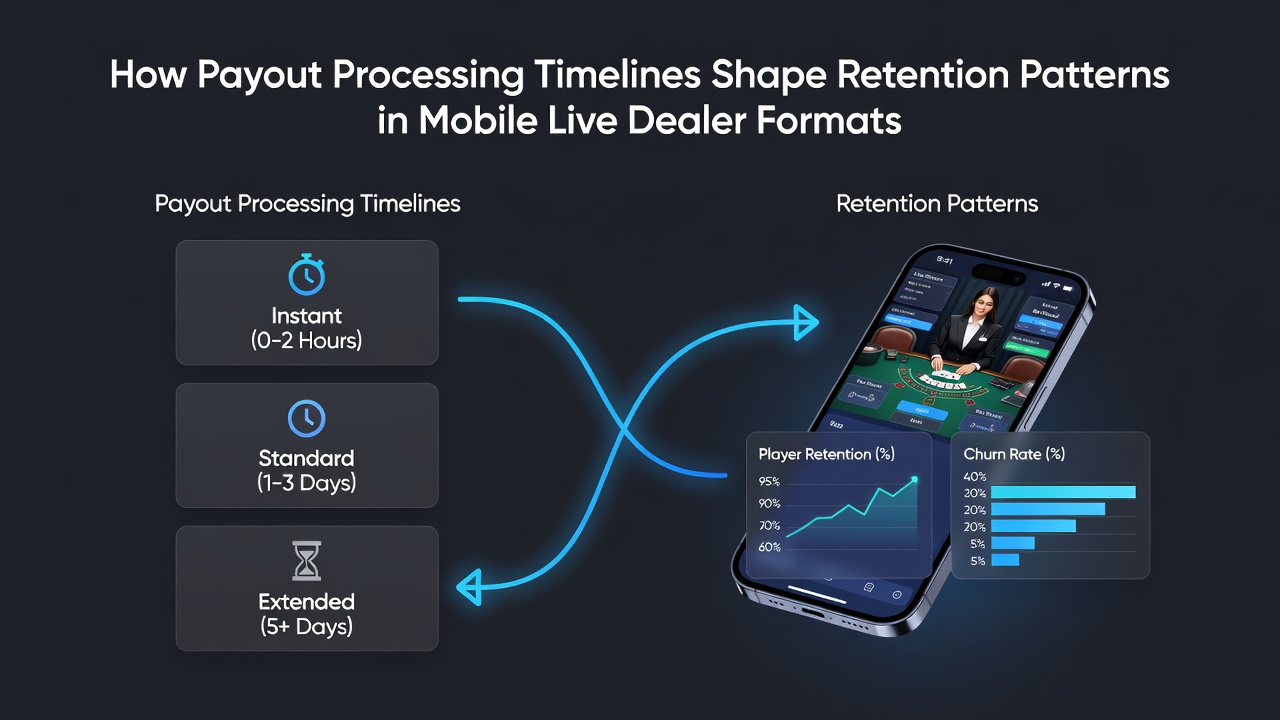
Operators in the mobile live dealer sector track payout processing timelines closely because these intervals directly correlate with how long players maintain active accounts and return for subsequent sessions, and data from multiple jurisdictions reveals consistent patterns where faster processing aligns with higher retention metrics over six-month periods.
Defining Key Timelines in Live Dealer Payout Systems
Mobile platforms handling live dealer games such as blackjack, roulette and baccarat process withdrawals through automated verification steps that typically range from same-day approvals to multi-day reviews depending on payment method, account history and regulatory requirements, while instant banking options like certain e-wallets complete cycles in under four hours whereas traditional card transfers often extend to 48 or 72 hours in standard operations.
Those who monitor player behavior note that the interval between a withdrawal request and fund arrival influences whether individuals initiate new deposits within the same week, and figures from industry tracking services show that accounts experiencing delays beyond 24 hours exhibit a measurable drop in session frequency during the following month.
Retention Metrics Linked to Processing Speed
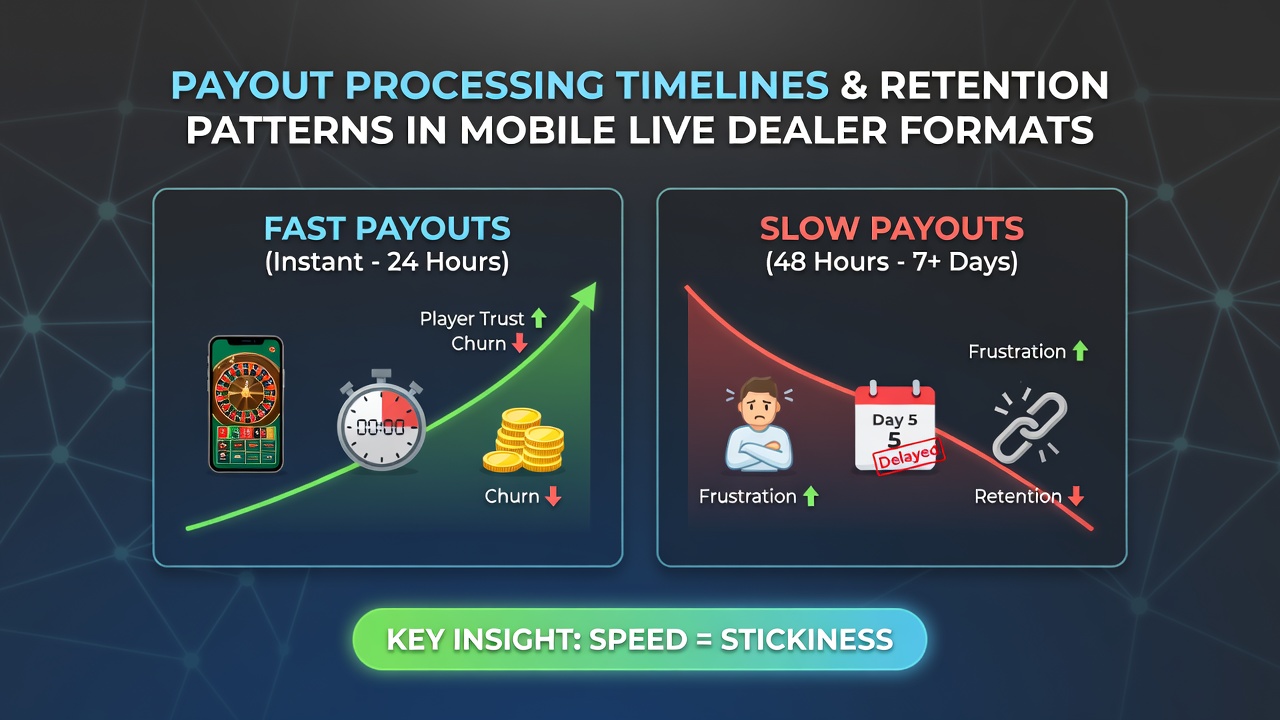
Research conducted across North American and European markets indicates that platforms achieving average payout completion under 12 hours retain approximately 15 to 20 percent more monthly active users compared with those averaging 48 hours or longer, and this gap widens when examining players who engage exclusively through mobile applications where convenience expectations run higher.
One analysis of transaction logs from 2025 through September 2026 found that users receiving funds on the same calendar day returned for live dealer sessions at rates 28 percent above the baseline for delayed cohorts, whereas extended timelines correlated with increased account dormancy after the initial payout event.
Regional Variations in Processing Standards
Regulatory frameworks in different areas impose distinct verification layers that affect overall timelines, with the New Jersey Division of Gaming Enforcement requiring enhanced identity checks that can add 12 to 36 hours to standard flows, while operators in Canadian provinces often integrate faster digital verification tools that reduce the average cycle to under one business day.
Australian market reports compiled by industry associations highlight similar dynamics where e-wallet dominance enables sub-24-hour processing for most live dealer participants, and those datasets reveal retention curves that stabilize more quickly when players encounter predictable short timelines rather than variable delays.
Payment Method Choices and Their Retention Effects
Players selecting cryptocurrency options on mobile live dealer platforms frequently experience processing windows measured in minutes rather than hours, and longitudinal studies tracking cohort behavior show these users maintain higher lifetime engagement levels than those relying on bank transfers that introduce additional clearing steps.
Yet operators observe that even within the same payment category, internal review queues can extend timelines unpredictably, and data indicates that transparent communication about expected completion dates helps mitigate the retention drop that otherwise occurs when players encounter unannounced extensions.
Behavioral Patterns Observed in Mobile Sessions
Live dealer environments on handheld devices create immediate feedback loops where payout arrival often coincides with ongoing table activity, and session logs demonstrate that users who receive processed funds mid-session tend to extend playtime or schedule return visits within 48 hours at elevated rates.
Analyses of interaction data reveal that prolonged processing periods lead to increased support ticket volume and temporary migration to competing applications, whereas streamlined timelines support steady deposit activity and sustained participation in real-time dealer formats across multiple weeks.
Conclusion
Available evidence from regulatory filings, transaction analyses and platform reports establishes that payout processing timelines function as a measurable variable in shaping retention patterns for mobile live dealer formats, with shorter intervals consistently associated with stronger return rates and longer intervals linked to accelerated account attrition across examined markets.